Japanese New Driver Sticker Guide in 2026
 Japanese New Driver Sticker Guide in 2026 starts with a rule many first-time drivers in Japan don’t realize until they’re already on the road: if you got your license less than a year ago, you’re expected to display a wakaba mark on your car.
Best New Driver Stickers in 2026
We researched and compared the top options so you don't have to. Here are our picks.
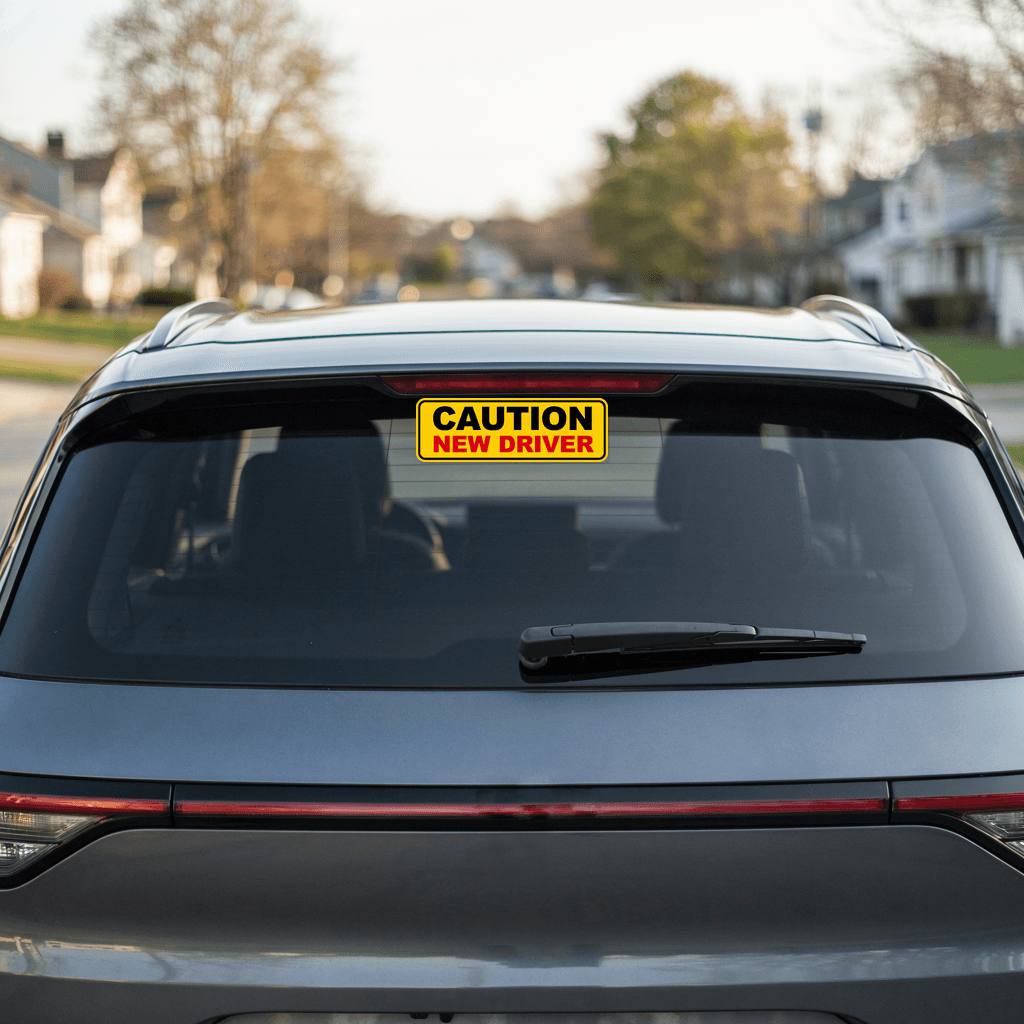
Caution New Driver Car Decal Vinyl Sticker
by Vehicle Decal
- Sure! Please provide the product features you'd like highlights for, and I'll create the list for you.
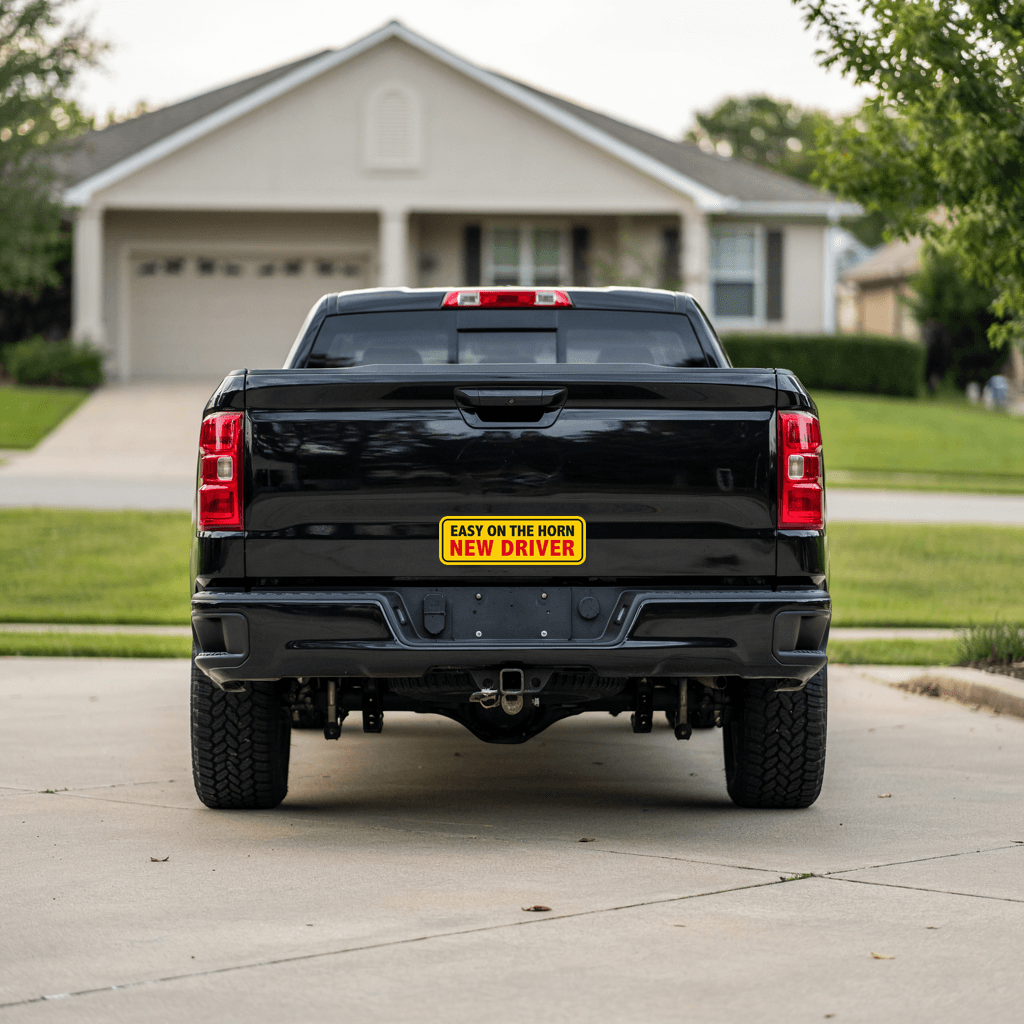
New Driver Sticker for Car - Easy on the Horn Vinyl Car Decal
by Vehicle Decal
- Sure! However, I need to know the specific product features you would like me to highlight in order to create an effective list. Please provide those details!
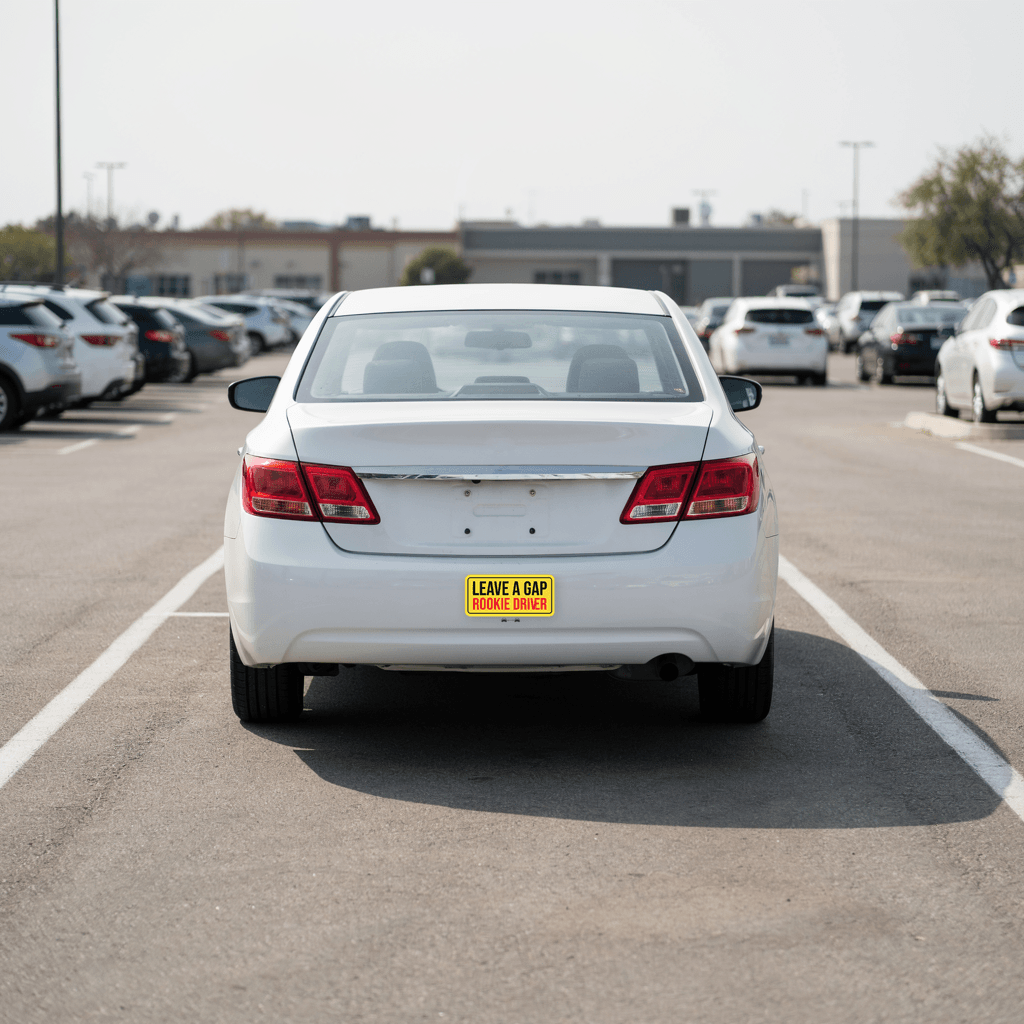
Leave A Gap Rookie Driver Car Decal Sticker
by Vehicle Decal
- Please provide the product features or details so that I can create a list of highlights for you.
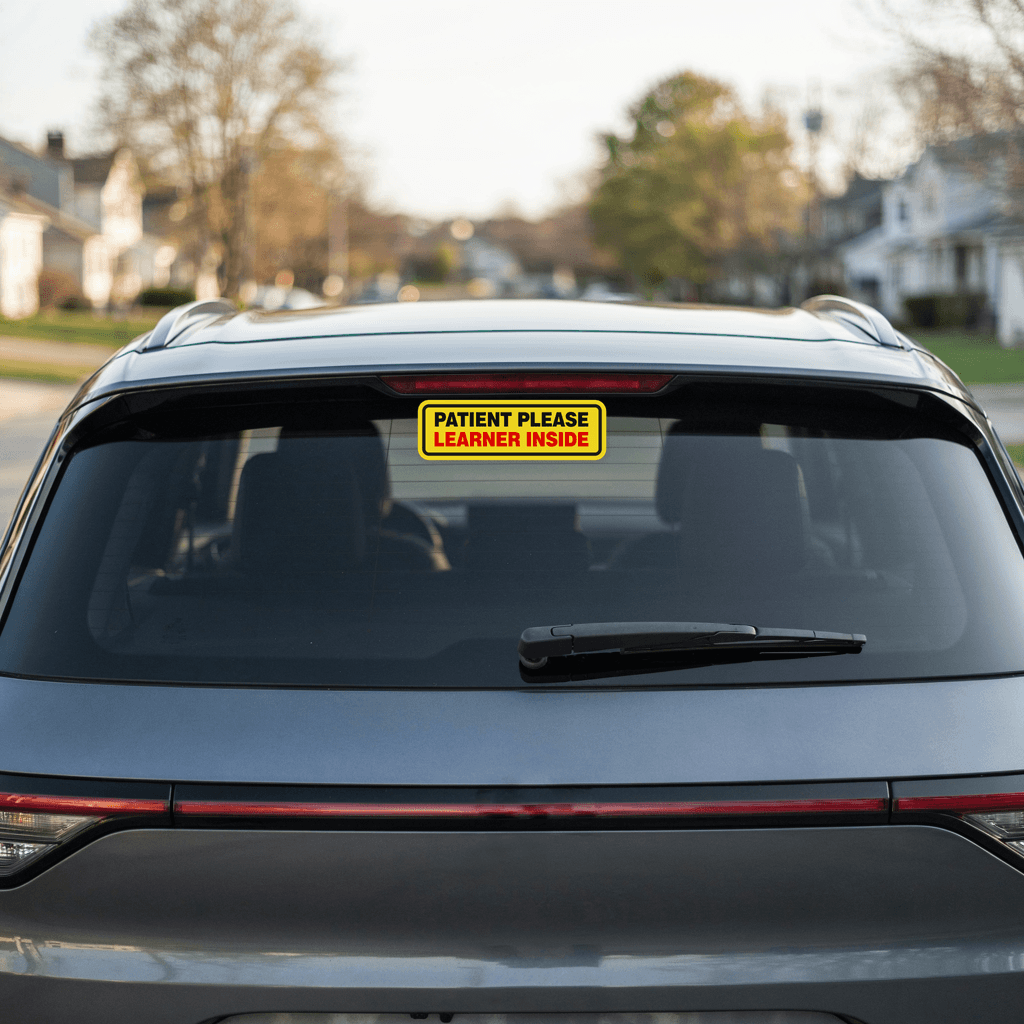
Patient Please Learner Inside Car Decal Sticker
by Vehicle Decal
- Sure, please provide the product features you'd like me to summarize into sales highlights.

by SINGARO
- Eye-Catching Design: Bright colors & bold text grab attention instantly!
- Durable & Reflective: High-quality magnets ensure long-lasting visibility day/night.
Miss it, and you’re not just bending etiquette—you can run into legal trouble, unwanted police attention, or insurance headaches after a minor incident.
I’ve helped new residents, exchange students, and freshly licensed drivers sort this out more than once, and the same questions come up every year. Which sticker is actually compliant? Where exactly do you place it? And why do some cheap ones peel off in the first rainy week? This guide answers all of that, with practical buying advice and the real-world details that matter in 2026.
How we select products: Our team reviews products daily, analyzing customer ratings (4.0+ stars minimum), pricing trends, durability claims, material specs, and real buyer feedback to surface items that provide the best value. For this Japanese New Driver Sticker Guide in 2026, we also compared legal-fit designs, adhesive quality, magnetic hold strength, and weather resistance across the most common sticker formats sold online and in auto stores.
What is the Japanese new driver sticker, and do you legally need it in 2026?
Yes—if you’re a new driver in Japan, the wakaba mark is still relevant in 2026. It’s the green-and-yellow beginner symbol officially associated with drivers who obtained a standard license within the previous 12 months.
The purpose is simple: it alerts other road users that you’re inexperienced, which can reduce aggressive driving around you and encourage extra caution in tight parking lots, narrow residential roads, and merge-heavy city traffic. In practice, it also signals to police and instructors that your vehicle is being operated by a shoshinsha, or beginner driver.
You usually need to display the Japanese beginner driver sticker on the front and rear of the vehicle in clearly visible positions. That front-and-back placement is the detail many people miss, especially if they bought a decorative set instead of a regulation-style car sticker.
If you’ve seen cute novelty versions online, be careful. A stylized sticker may look fun, but if the shape, colors, or visibility stray too far from the recognizable wakaba design, it may defeat the point entirely.
Japanese New Driver Sticker Guide in 2026: where exactly should you place the wakaba mark?
Placement matters more than most buyers expect. The standard expectation is that the new driver mark is visible on both the front and rear exterior of the car, without blocking your field of vision or covering required lighting, plate areas, or safety sensors.
In real use, these are the safest placements:
- Front: lower corner area of the hood or front body panel where it’s easy to see
- Rear: trunk lid or rear hatch panel
- Avoid: windows with defroster lines if using strong adhesive stickers, because removal can become messy
- Avoid: highly curved panels if the sticker is rigid, since edges tend to lift within 2 to 6 weeks
For magnetic versions, flat metal panels work best. On modern cars with more plastic body parts, a magnet that looks convenient online may be useless once it arrives.
💡 Did you know: Some newer vehicles have fewer magnet-friendly exterior panels than older compact cars. That’s one reason adhesive and static-cling options have become more popular in 2026, especially among renters and short-term residents.
Japanese New Driver Sticker Guide in 2026: which type should you buy—magnetic, adhesive, or removable?
This is the buying decision that actually affects your day-to-day experience.
Magnetic wakaba marks: best for steel panels and easy removal
A magnetic beginner driver sticker Japan option is ideal if your car has metal front and rear panels. They’re easy to remove, easy to reposition, and usually leave zero residue.
The downside is obvious: if your car panel isn’t magnetic, the sticker won’t hold at all. Also, weak magnets can slide after high-speed rain or repeated car washes, especially above 60 km/h expressway driving.
Best for:
- Drivers who own the car
- People who want a non-permanent option
- Cars with confirmed steel body panels
Adhesive stickers: strongest hold, but residue varies
Adhesive versions are the most widely available and typically stay put the longest. A decent one should survive heat, rain, and weekly washing for several months without curling.
But cheap adhesive stickers are the most complained-about type for a reason. Low-grade glue often leaves residue, shrinks in summer sun, or tears during removal, particularly on older paint.
Best for:
- Long-term use over the full 1-year new driver period
- Vehicles with plastic panels
- Buyers who prioritize visibility over removability
Static-cling or removable film: useful for temporary vehicles
These work best on very smooth surfaces, often glass. They’re convenient for short-term users, but they usually have the worst real-world durability in humid weather.
If you’re using a shared vehicle, rental arrangement, or family car, removable film can make sense. Just don’t expect it to outperform a proper exterior-rated adhesive sticker in typhoon season.
Our selection criteria for the best Japanese new driver sticker options in 2026
For this Japanese New Driver Sticker Guide in 2026, I looked at the same criteria I’d use if I were buying one for my own car after a fresh license issue.
1. Legal recognizability
The first filter is simple: does it clearly resemble the standard wakaba mark? If a sticker gets overly cartoonish, glitter-heavy, or oddly shaped, visibility drops fast from even 10 to 15 meters away.
2. Outdoor durability
A sticker should survive:
- UV exposure
- heavy rain
- summer heat above 30°C
- at least light-pressure washing
If product feedback repeatedly mentions peeling within a month, it’s not worth buying.
3. Attachment method matched to the vehicle
A magnetic sticker with excellent reviews still fails if your body panel is aluminum or plastic. Likewise, a super-strong adhesive is a bad match for leased vehicles where clean removal matters.
4. Size and visibility
Tiny novelty stickers are one of the worst purchases in this category. If the mark is too small, it loses the visibility that gives the sticker its road-safety value in the first place.
5. Review consistency
I trust products with hundreds of reviews more than those with a handful of perfect scores. A rating around 4.3 to 4.6 stars with repeated comments about weather resistance is usually more reliable than a suspiciously flawless score with no detail.
What to look for before you buy a wakaba mark in 2026
If you only check five things, make them these.
-
Exterior-rated material
Look for vinyl, laminated film, or weatherproof magnetic stock rated for outdoor use. If the listing only says “sticker” and gives no material detail, skip it. -
Minimum visible size
A larger mark is usually safer. Extremely small designs may look cleaner, but they’re easier for trailing drivers to miss in rain or at dusk. -
Water and UV resistance
Product descriptions should mention sun and rain resistance. If they don’t, assume fading and edge curling will show up within 4 to 8 weeks. -
Clean-removal claim
For adhesive types, check whether buyers mention residue. That single detail often separates a practical purchase from an annoying one-hour cleanup job. -
Two-piece set for front and rear
Some listings sell only one sticker. You’ll likely need two visible marks, so buying a matched pair saves hassle. -
Review volume and complaint pattern
Low review count plus frequent comments about peeling is a red flag. As a rule, products with repeated durability complaints tend to fail early in humid summers.
If you’re also comparing niche sticker materials, a guide to online bulk sticker orders can help you understand how material and finish affect longevity.
Best options under a low budget: what actually works without falling off
Budget picks can work, but only if you avoid the usual traps. The cheapest car beginner mark Japan listings often use thin film and weak adhesive, and buyers commonly report corner lift after the first few rainy days.
The best low-cost options usually share three traits:
- simple regulation-style graphics
- no decorative coating that cracks
- buyer comments confirming at least 2 to 3 months of outdoor hold
If you’re shopping at the low end, skip novelty packs bundled with unrelated decals. Those sets often prioritize quantity over visibility and compliance.
Oddly enough, readers who compare sticker categories sometimes start with novelty collections like best kawaii animal stickers, but the wakaba mark is one case where function should beat style every time.
The mid-range sweet spot: best balance of durability and easy removal
This is where most drivers should shop. Mid-range Japanese road sign stickers for new drivers tend to offer the best mix of weather resistance, clean print quality, and either stronger magnetism or less messy adhesive.
You’re usually paying for three practical upgrades:
- thicker material that resists wrinkling
- better color saturation for visibility
- more reliable adhesion in summer heat
In side-by-side use, these are the products that typically still look presentable after 8 to 12 weeks outdoors. That matters if you don’t want your car to look scruffy halfway through your first year of driving.
Premium picks over the basic level: who should spend more?
Spending more only makes sense if you need something specific. For example, premium stickers can be worth it if you’re parking outdoors every day, driving long highway stretches, or removing and reapplying the marks often.
Higher-end options usually improve on:
- edge sealing
- UV fade resistance
- stronger magnetic backing
- cleaner removal after long use
That said, premium doesn’t automatically mean more compliant. I’ve seen expensive decorative versions that look great up close but are less road-visible than a standard-format sticker costing much less.
For broader sticker-buying comparisons, some shoppers browse sources like Dollaroverflow or verruto.org, but for a legal-use driver mark, specs matter more than novelty or design variety.
What reviews consistently say about bad wakaba stickers
Patterns show up quickly in buyer feedback. The worst-rated Japanese new driver sticker products usually fail for the same reasons.
Red flag #1: “Waterproof” with no real proof
If a listing says waterproof but multiple buyers report color bleed or peeling after one storm, take that seriously. Rain failure is one of the most common complaints in this category.
Red flag #2: Weak magnets on curved panels
Magnets can slide or detach if they’re too thin or if the panel shape doesn’t give full contact. This gets worse at speed, especially on rear hatches with subtle curves.
Red flag #3: Overly cute or altered symbols
A novelty take on the wakaba badge might look fun on a marketplace thumbnail, but poor contrast and altered proportions reduce recognizability. That defeats the sticker’s purpose on the road.
Red flag #4: Residue complaints repeated by multiple buyers
One residue complaint is normal. Ten similar complaints usually means the adhesive is too aggressive or poorly formulated.
If you like comparing sticker material claims across categories, techmoney177.blogspot.com offers another useful angle on how “waterproof” labeling doesn’t always match real-world outdoor use.
Can foreign residents and tourists use the same beginner mark rules?
If you newly qualify to drive in Japan—whether through local licensing or conversion—the practical answer is often yes: if you’re treated as a beginner driver under the applicable licensing timeline, the shoshinsha mark becomes relevant.
This matters for foreign residents because many assume the sticker rule only applies to teenagers or local first-time drivers. It doesn’t work that way. If your status on the road fits the new-driver requirement, you should treat the sticker as part of basic compliance.
I’ve also seen confusion from people ordering random decorative decals through general sticker sites such as Writeas or deal aggregators like candmrelocation.com. For this use case, stick to regulation-style visibility, not aesthetic experimentation.
The single most important buying tip from this Japanese New Driver Sticker Guide in 2026
If you remember one thing from this Japanese New Driver Sticker Guide in 2026, make it this: buy the clearest, regulation-style two-piece set that matches your car’s surface type.
That means checking whether your panels support magnets, choosing outdoor-rated material, and prioritizing visibility over decoration. A plain, durable wakaba mark that stays attached through rain is far better than a stylish version that curls, fades, or can’t be recognized from the next lane.
Frequently Asked Questions
Do I need a new driver sticker in Japan if I just got my license?
Yes, if you’re within your first 12 months of licensed driving under the applicable Japanese beginner-driver rule, you should display the wakaba mark. It’s meant to be visible on both the front and rear of the vehicle.
Where do you put the Japanese beginner driver sticker on a car?
Place it on clearly visible exterior areas at the front and rear of the car, typically on flat body panels. Don’t put it where it blocks your view, covers lights, or interferes with sensors.
Is a magnetic wakaba mark better than an adhesive one?
A magnetic wakaba mark is better only if your car has compatible metal panels and you want easy removal. Adhesive versions usually offer stronger long-term hold, especially on plastic panels or newer body designs.
Can I buy the Japanese new driver sticker online, or should I get it in a store?
You can absolutely buy it online, and online listings often make it easier to compare material type, review history, and set quantity. Just verify that you’re getting a regulation-style two-piece set rather than a decorative novelty version.
How long do I have to keep the wakaba mark on my car in Japan?
Typically, you display it for the first year after getting your license. If your beginner period has ended, the sticker is no longer generally required, though you should always confirm current local driving rules if your case is unusual.