Table Numbers for Restaurant: Top Picks in 2026
 Table Numbers for Restaurant: Top Picks in 2026 can make or break service flow faster than most owners expect.
Best Restaurant Table Numbers for Cafes and Dining Rooms in 2026
We researched and compared the top options so you don't have to. Here are our picks.
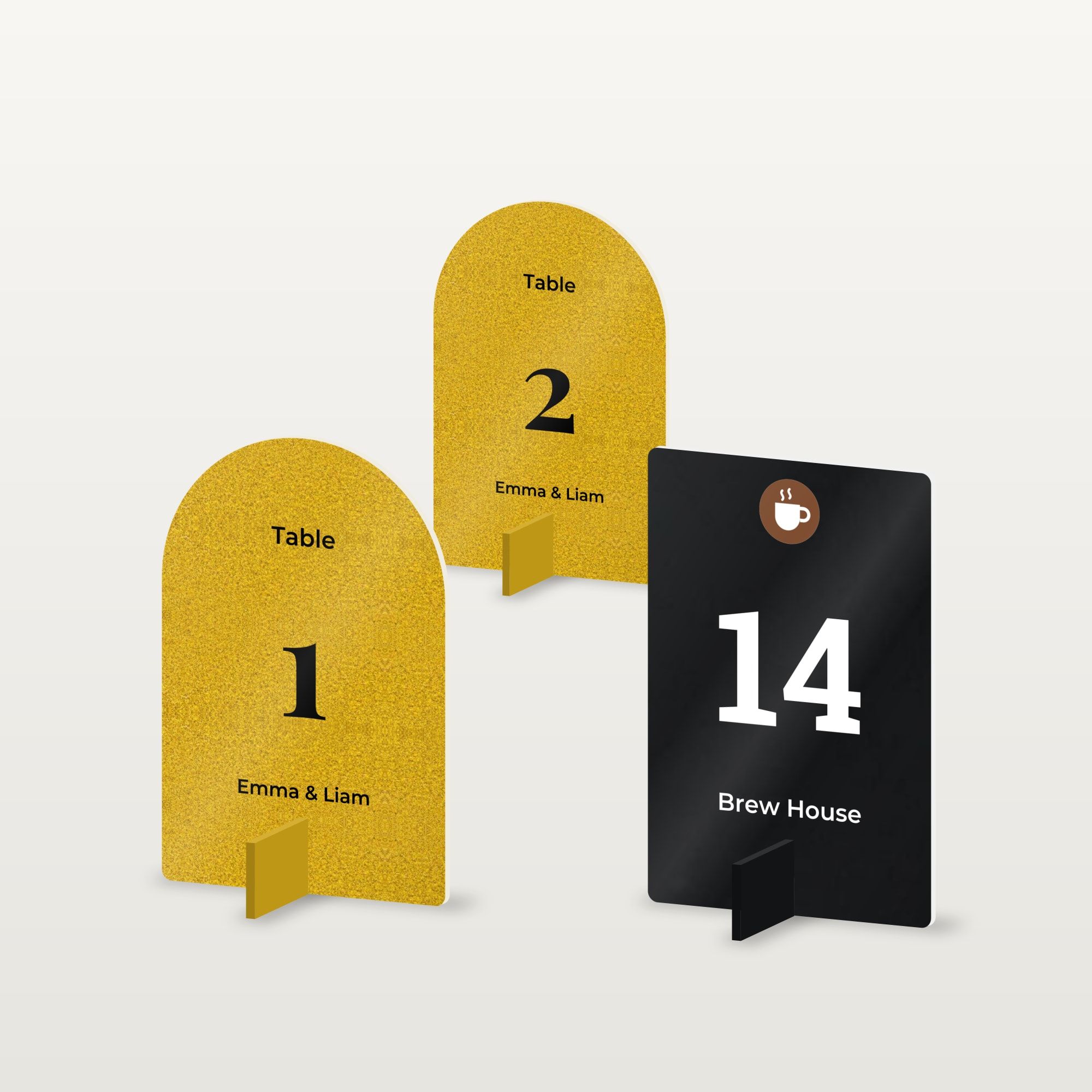
Custom Acrylic Table Numbers with Stand – Personalized Wedding & Restaurant Table Number Signs
by Table Numbers
- Sure! Please provide the product features you'd like to highlight.

Restaurant Table Numbers 1-25 White, Tent Table Numbers (3 in x 3.5 in)
by Tapix
- Double-Sided Visibility**: Bold black numbers for easy guest navigation.
- Durable & Long-Lasting**: Shatter-resistant plastic ensures enduring use.

by Tuanse
- Piece Set:** Ample numbers for weddings, restaurants, and events.
- Clear Visibility:** Double-sided, black & white design for easy readability.

by Okllen
- Complete Set: 30 durable table numbers for all your event needs!
- Lightweight & Portable: Easy to place and stack for convenient storage.
- Eye-Catching Design: Double-sided numbers ensure visibility from afar!

by Tuanse
- Piece Set:** Enough numbers from 1 to 25 for all dining needs.
- Easy Visibility:** Bold, double-sided design ensures clear viewing from afar.
- Durable & Versatile:** Shatterproof acrylic suits any event or restaurant.
In a 60-seat dining room, even a 10-second delay per table touchpoint adds up to minutes of lost server time per hour, and confusing or hard-to-read table markers are one of the sneakiest causes.
I’ve worked around enough busy service floors to know this firsthand: the wrong table number isn’t just ugly decor. It leads to misrouted food, awkward guest interactions, slower bussing, and friction between front-of-house and kitchen staff.
If you’re comparing table numbers restaurant options for a new opening, a refresh, or a high-volume patio season, this guide will help you pick the right format by budget, material, visibility, durability, and service style. You’ll also see which types of table numbers for restaurant setups work best for casual dining, QR-code menus, reserved seating, and fast-turn tables.
How we select products: Our team reviews products daily, analyzing customer ratings (4.0+ stars minimum), pricing trends, material durability, readability, and real buyer feedback to surface items that provide the best value. For this guide, we focused on restaurant-ready options that hold up to daily wiping, spills, and repeated handling rather than one-time event signage.
What are the best Table Numbers for Restaurant: Top Picks in 2026 for most dining rooms?
The best Table Numbers for Restaurant: Top Picks in 2026 are weighted acrylic or metal signs with high-contrast print, a stable base, and number visibility from at least 12 to 20 feet. For most restaurants, that format hits the sweet spot between durability, readability, and easy cleaning.
If you want the short version, here’s the ranking I’d use for most operators:
| Rank | Best for | Type | Why it wins |
|---|---|---|---|
| 1 | Most full-service restaurants | Weighted acrylic tabletop numbers | Easy to wipe, modern look, strong visibility |
| 2 | Busy cafes and casual dining | Metal stand-up numbers | Hard to tip, long lifespan, strong contrast |
| 3 | Rustic or boutique spaces | Wooden restaurant table numbers | Warm aesthetic, good for brand feel, less ideal in wet areas |
| 4 | Counter-service pickup flow | Restaurant table tent numbers | Visible from multiple angles, useful for order running |
| 5 | Large banquet-style layouts | Tall restaurant table numbers | Best line-of-sight across crowded rooms |
For a broad overview of layouts and styles, see best restaurant table numbers explained.
How we picked these Table Numbers for Restaurant: Top Picks in 2026
I didn’t rank these on appearance alone. A number set can look great online and still fail the first time a server wipes the table with sanitizer or a guest bumps the base with a water glass.
Here are the criteria that matter most in real service:
-
Readability from distance
Numbers should be legible from 12 feet minimum in small dining rooms and 20+ feet in larger spaces. Thin script fonts may photograph well, but bold numerals outperform them during a rush. -
Base stability
A lightweight sign that tips over every time a guest reaches for a plate becomes a daily annoyance. In practice, bases under roughly 3 inches wide or very top-heavy designs cause more complaints. -
Sanitizer and moisture resistance
Acrylic, powder-coated metal, and sealed laminate generally handle daily cleaning better than raw wood or paper inserts. This matters even more if you use restaurant table tent numbers on outdoor tables. -
Number range availability
Many sets look polished until you realize they stop at 25. If you need restaurant table numbers 1-100 or restaurant table numbers 1 100 for banquet halls, patios, or segmented dining areas, buy with room to scale. -
Replacement flexibility
Lost pieces happen. The best systems let you reorder matching singles or print a compatible restaurant table numbers template instead of replacing the entire set.
What to look for before buying table numbers for restaurant use
If you only check one thing, check visibility. A stylish set that staff can’t read under dim lighting is a service problem, not a design decision.
1. Choose the right height for your floor plan
For compact bistros, 3.5 to 5-inch tabletop numbers are usually enough. For patios, booths, or larger rooms with sightline obstacles, tall restaurant table numbers often work better because runners can spot them over glassware and centerpieces.
2. Use high contrast, not decorative fonts
Black on white, white on black, or metallic numbers on matte dark backgrounds tend to perform best. If the numeral “6” looks like “9” at a glance, skip it.
3. Match material to cleaning reality
- Acrylic: best all-around for modern interiors
- Metal: best for heavy daily use
- Wood: best for aesthetic warmth, but choose sealed versions
- Paper insert tents: best for temporary numbering or frequent layout changes
Operators searching for table numbers restaurant supplies often focus on bulk quantity first. That’s understandable, but material failure shows up faster than most expect, especially in humid dining rooms or on patios.
4. Decide whether you need table numbers or order numbers
There’s a difference between permanent seating markers and restaurant table order numbers used in fast-casual or counter-service systems. If guests order first and sit later, go with portable, double-sided numbers that are easy for runners to spot from multiple directions.
5. Plan for seat-level service if you run larger parties
Most independent restaurants don’t need restaurant table seat numbers daily. But if you serve tasting menus, banquets, private dining, or coordinated coursing, pairing table numbers with seat mapping can cut food drop errors noticeably.
Pro tip: In rooms with amber lighting or candles, matte finishes outperform glossy faces because glare can wash out numerals from 8 to 10 feet away.
Best Table Numbers for Restaurant: Top Picks in 2026 under a tighter budget
The best budget table numbers for restaurant use are usually laminated tents, entry-level acrylic sets, or simple printed inserts with weighted holders. They cost less upfront and still work well if your room layout changes often.
These are the best low-cost formats:
- Printed table tents with replaceable inserts
Best for seasonal menus, rotating sections, or temporary patio expansions. - Basic acrylic panels
Great for wipe-clean practicality with a cleaner look than laminated paper. - Number cards in metal clips
Useful if you frequently reconfigure tables for events or large parties.
Budget options work best in:
- Cafes
- Food halls
- Breakfast spots
- Pop-ups
- Soft openings
If you’re shopping online, restaurant table numbers amazon searches tend to return the widest style mix, but quality varies heavily. In my experience, once ratings dip below 4.2 stars, complaints about tipping, peeling print, or unclear numbering rise sharply.
Why the $25-$50 sweet spot usually delivers the best value
This is where most operators should shop first. The mid-range market usually gets you better base weight, cleaner print quality, and more consistent numbering without crossing into decorative overkill.
The strongest value picks in this tier are:
- Weighted acrylic sets with UV print
- Powder-coated metal number blocks
- Sealed wood-and-acrylic hybrid designs
For most full-service dining rooms, this is the sweet spot because you’re paying for function: better stability, easier sanitation, and lower replacement hassle. If you want design inspiration beyond restaurant settings, read more about acrylic formats that also translate well to polished hospitality interiors.
Are premium table numbers for restaurant use worth it?
Yes—premium table numbers for restaurant are worth it if your concept depends on presentation, you run low lighting, or your average table check is high enough that visual consistency matters. In upscale rooms, premium sets usually justify themselves through brand perception and longevity, not just aesthetics.
Premium options typically include:
- Thicker cast acrylic instead of thin plastic
- Engraved or inset numerals instead of surface print
- Heavier metal or stone bases
- Custom typography matched to the dining room identity
The best premium pick for most upscale spaces is a weighted, double-sided acrylic or metal number with custom engraving. It looks sharp, survives daily cleaning, and avoids the cheap wobble that guests notice immediately.
For style comparisons related to event-grade signage, the category of acrylic wedding table numbers is surprisingly useful because many of those design principles now crossover into restaurant interiors.
Which restaurant table numbers ideas actually improve service speed?
Not every decor trend helps operations. Some of the best restaurant table numbers ideas are boring on Instagram but excellent on a Saturday night rush.
The most effective ideas I’ve seen are:
- Double-sided numbering so staff can see the table from either aisle
- Color-zoned numbers for sections like patio, bar, dining room, and private room
- Number-plus-QR combo stands for hybrid service models
- Large-font numerals with small branding below, not the other way around
- Consistent placement at the outer corner of every table
A simple sectioning system can cut confusion dramatically. For example, using 1-20 for patio, 21-40 for main floor, and 41-60 for bar seating makes table calls clearer than a scattered layout.
💡 Did you know? Restaurants using structured number zoning often train new runners faster because the dining room map becomes easier to memorize in 1 to 2 shifts, not a full week.
What reviews reveal about bad table numbers restaurant picks
The same complaints show up again and again in weak products. If you know what to watch for, you can skip a lot of returns.
Red flags that show up most often
- Lightweight bases that tip during water service
- Tiny numerals that disappear under dim pendant lighting
- Paper inserts without lamination that curl after a few cleanings
- Unsealed wooden restaurant table numbers that stain from spills
- Sticker-style numbers that peel at the edges after repeated sanitizing
In buyer feedback, low-rated options often fail within the first 30 to 90 days. That’s especially common in products designed more for one-time events than daily hospitality use.
If you need a general external reference path for vendor background checks, some buyers still cross-reference sources like www.google.com, though direct product specifications and recent review patterns usually tell you more.
Should you use restaurant table numbers template files or buy ready-made sets?
Use a restaurant table numbers template if your layout changes frequently, you host private events, or you want cheap backups on hand. Buy ready-made sets if your floor plan is stable and you need a more polished, durable result.
Templates work best for:
- Temporary event service
- Test openings
- Seasonal patio overflow
- Daily section reassignment
Ready-made sets work best for:
- Permanent dining rooms
- Higher-end interiors
- Frequent sanitation
- Brand consistency
I’ve seen operators save time by keeping both: a durable everyday set plus printable backups for last-minute expansion. If you’re researching formatting examples outside hospitality niches, even unrelated directory-style pages like go to page can remind you how much easier structured numbering is to scan than decorative layouts.
How to organize restaurant table numbers 1-100 without creating chaos
If you need restaurant table numbers 1-100, the biggest mistake is numbering tables in the order they were purchased or placed. Number them by server path and room logic instead.
A better system looks like this:
- Start at the main host entry point.
- Number clockwise or by service route.
- Group each zone in blocks of 10 or 20.
- Leave gaps for future expansion.
- Keep bar, patio, and private room on separate ranges.
For example:
- 1-20 main dining
- 21-30 bar high-tops
- 31-50 patio
- 51-70 private dining
- 71-100 overflow or event use
This structure is cleaner for training, faster for food running, and easier if you ever need restaurant table order numbers alongside fixed seating maps.
Where operators usually shop for table numbers restaurant supplies
Most buyers compare three channels: hospitality suppliers, online marketplaces, and local print/sign shops. Each has tradeoffs.
- Hospitality suppliers: best for durability and bulk consistency
- Online marketplaces: best for variety and quick comparison
- Local sign shops: best for custom branding and replacements
If you’re building a cohesive dining room package, table numbers restaurant supplies sourced from one vendor often match better in finish and font. That matters more than people think, especially in spaces trying to maintain a polished visual identity.
For broader online research behavior, some operators still bounce between unrelated roundup sites like Mywebforum or even off-topic blogs such as https://wordflicks.blogspot.com, but restaurant operators are usually better served by checking material specs, dimensions, and recent hospitality-focused reviews first.
The single best recommendation before you buy
If you’re choosing just one criterion, make it legibility under real service lighting. The best unique restaurant table numbers still need bold numerals, a stable base, and a finish that survives sanitizer.
For most restaurants in 2026, the safest pick is a double-sided, weighted acrylic or metal set with high-contrast numbers and enough range to support future layout changes. That one decision solves more service problems than any trendy shape, font, or decorative flourish.
Frequently Asked Questions
how to memorize restaurant table numbers
The fastest way to learn restaurant table numbers is to break the room into zones of 5 to 10 tables and walk the service path repeatedly. Most staff memorize layouts faster when numbers follow a clockwise route rather than a random floor plan.
what is the best material for table numbers for restaurant use
The best material for table numbers for restaurant use is usually acrylic or powder-coated metal because both handle daily wiping, spills, and heavy turnover well. Sealed wood can work beautifully, but it needs more protection in humid or high-cleaning environments.
is it worth buying premium restaurant table numbers
Yes, premium sets are worth it if your restaurant relies on presentation, dim lighting, or high guest-touch polish. In lower-cost service models, mid-range weighted numbers usually deliver nearly the same function for less.
what size should restaurant table tent numbers be
Most restaurant table tent numbers work best between 4 and 6 inches tall, depending on table size and room visibility. Larger or taller formats are better for patios, banquet layouts, or crowded dining rooms where sightlines get blocked.
should I choose restaurant table numbers 1-100 or smaller sets
Choose restaurant table numbers 1-100 only if you truly need expansion room, large-event flexibility, or multiple service zones. Smaller sets are easier to manage for compact dining rooms, but leaving numbering gaps for future tables is a smart move.