Ultimate Guide to Car Vinyl Stickers in 2026
 Ultimate Guide to Car Vinyl Stickers in 2026 starts with one simple truth: your car’s exterior has become a canvas, a business card, and a personality statement all at once.
Best Vinyl Stickers in 2026
We researched and compared the top options so you don't have to. Here are our picks.
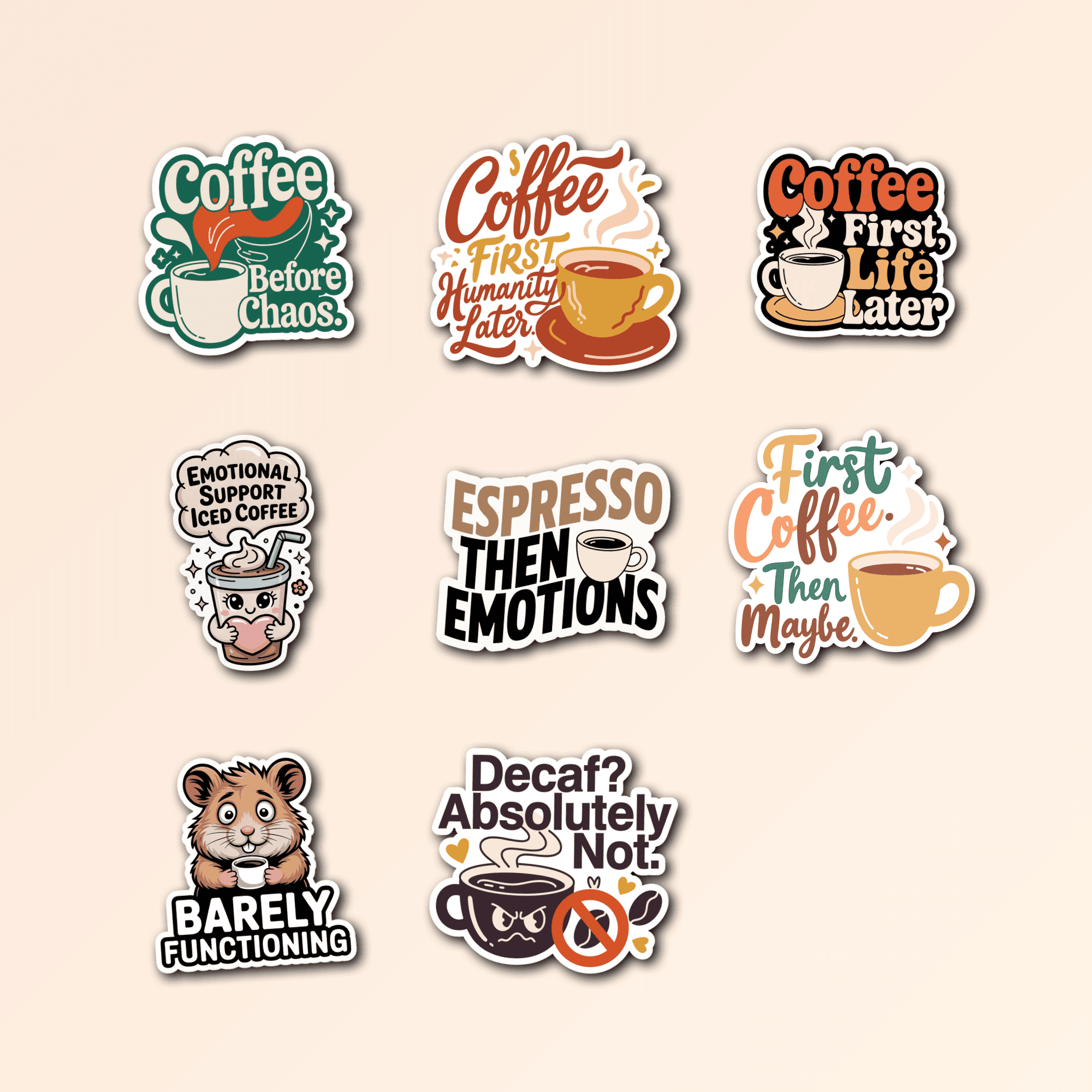
8 Funny Coffee Sticker Pack — Premium Vinyl Decals
by Sticker Pack
- Sure, please provide the product features you'd like me to highlight!
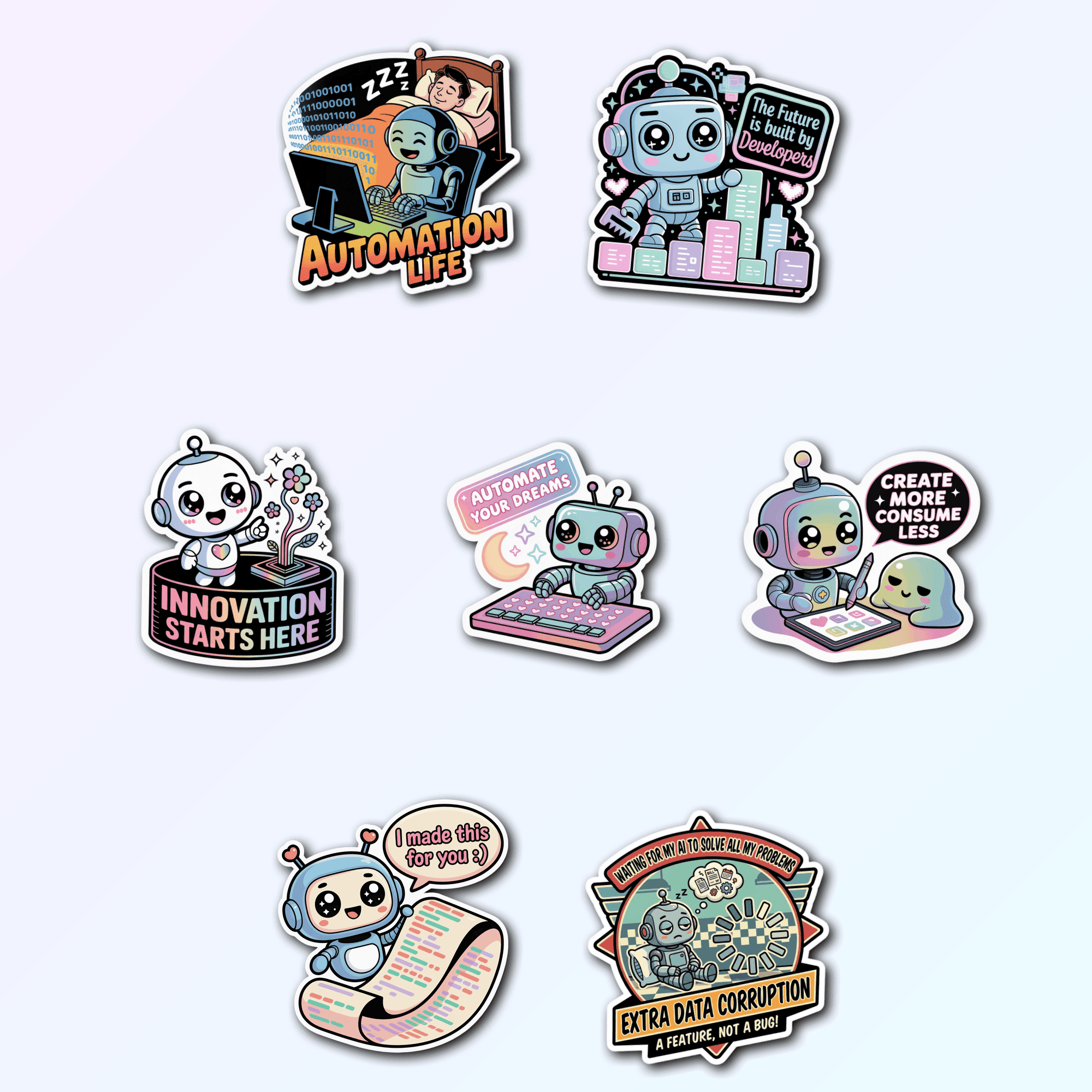
7 Cute Robot Tech Sticker Pack — Premium Vinyl Decals
by Sticker Pack
- Sure! Please provide me with the product features you would like to highlight.

by Sticker Pack
- Sure! Please provide the product features you'd like me to highlight for increasing sales.
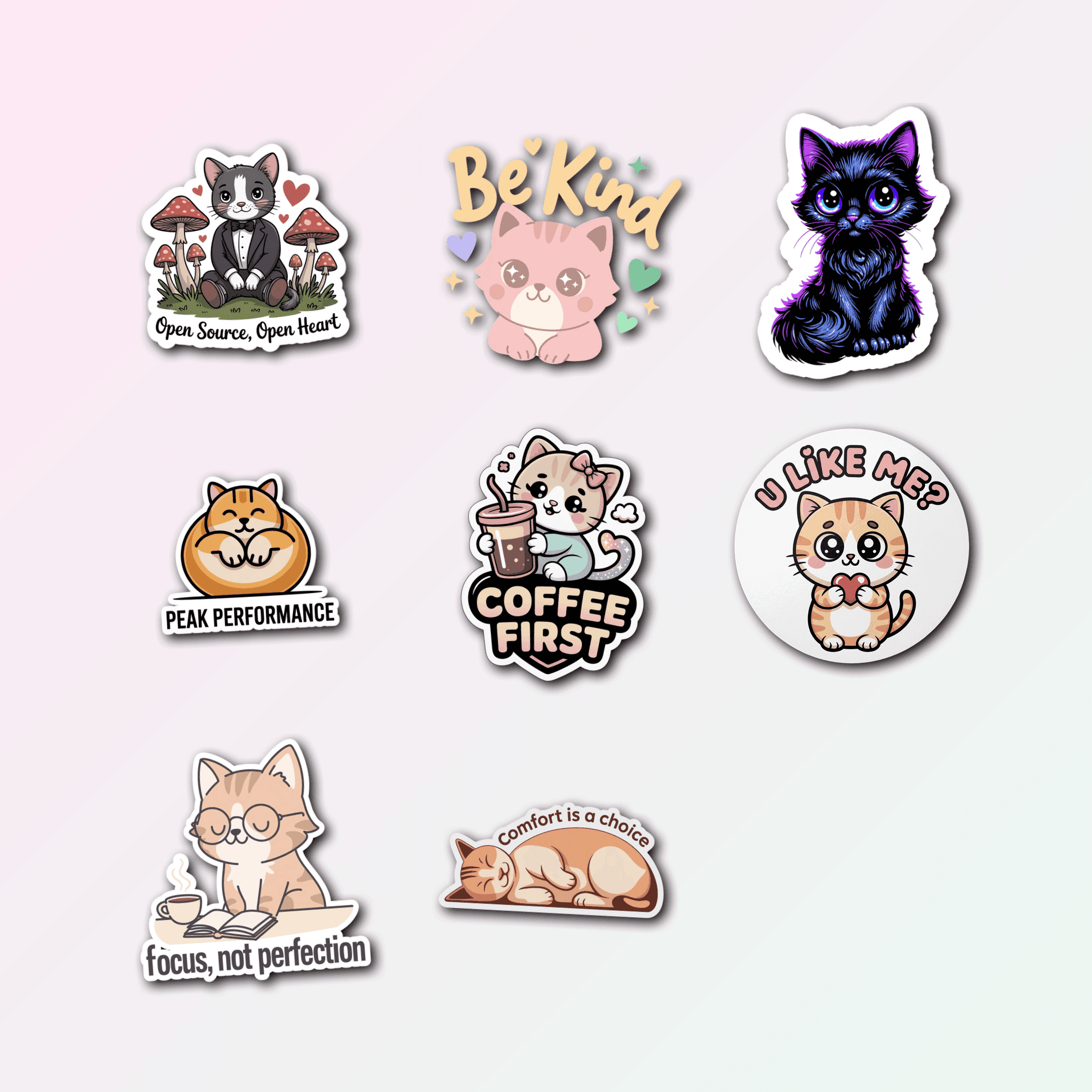
8 Cute Cat Sticker Pack — Premium Vinyl Decals
by Sticker Pack
- Sure! Please provide the product features you'd like me to summarize into highlights.

Soft Life Rich Mindset Motivational Vinyl Sticker
by Sticker
- Sure, please provide the product features you'd like me to create highlights for!
A well-made vinyl decal can make an older vehicle look sharper, help a small business get noticed in traffic, or let you test a style upgrade without committing to permanent paint work. A bad one? It peels, fades, bubbles, and screams “cheap” from half a block away.
That’s why this matters right now. Materials are better, print quality is smarter, and installation tools are more accessible than ever in 2026. If you want your car vinyl stickers to look clean, last longer, and actually feel worth the money, you need to know what separates premium results from regret.
Why the Ultimate Guide to Car Vinyl Stickers in 2026 matters more than ever
Car culture has changed.
You’re no longer limited to a few generic bumper stickers or basic window decals. Today’s automotive vinyl stickers include everything from subtle door graphics and racing stripes to custom car decals, removable branding, reflective safety designs, and paint-safe vinyl wraps for partial personalization.
That opens up real possibilities for you:
- Personalizing your vehicle without repainting it
- Promoting a business with mobile advertising
- Covering minor cosmetic flaws
- Adding seasonal or event-based graphics
- Testing a design before committing to a full wrap
And here’s the thing: not all vinyl sticker materials are created equal. The wrong adhesive, laminate, or finish can ruin the look fast, especially if your vehicle spends long hours in the sun, rain, road salt, or car washes.
What are car vinyl stickers, exactly?
At the simplest level, car vinyl stickers are adhesive graphics made from thin vinyl film designed to stick to painted metal, glass, or smooth plastic surfaces on a vehicle.
That includes:
- Bumper stickers
- Window decals
- Die-cut car stickers
- Printed vehicle graphics
- Reflective vinyl decals
- Removable car stickers
- Permanent outdoor vinyl labels
Some are printed with full-color designs. Others are cut from solid-color vinyl for crisp lettering or logos. Some are made for short-term use, while others are engineered for years of outdoor durability.
If you’ve ever compared vehicle graphics with other sticker types, the difference is obvious. Car applications demand more durability than something like waterproof vinyl stickers for drinks, because your vehicle faces UV rays, wind, grime, heat cycles, and constant washing.
Ultimate Guide to Car Vinyl Stickers in 2026: what to look for before you buy
If you only remember one section from this Ultimate Guide to Car Vinyl Stickers in 2026, make it this one.
A sticker can look amazing online and still fail on your car if the specs aren’t right. Here are the key features that actually matter.
1. Outdoor durability rating
Look for vinyl specifically made for outdoor automotive use. You want material that can handle UV exposure, rain, road debris, and changing temperatures without cracking or shrinking.
2. Adhesive type
Some car decals use permanent adhesive, while others use removable adhesive. Permanent works better for long-term branding or designs you don’t want lifting at the edges. Removable is ideal if you like changing styles or need temporary promotional graphics.
3. Laminate protection
A laminate layer adds real protection against fading, scratches, and chemicals. Gloss laminate makes colors pop, while matte laminate gives a more refined, painted-on look.
4. Vinyl thickness and conformability
Thicker vinyl can be easier to handle, but highly conformable vinyl is better if you’re applying stickers to slight curves or contours. Flat doors and windows are forgiving. Bumpers and body lines are not.
5. Print quality
Crisp edges, rich color, and clean gradients make a huge difference. Poor print quality is one of the fastest ways to make a car sticker look amateur, even if the design itself is good.
6. Finish options
The most common finishes are:
- Gloss
- Matte
- Satin
- Reflective
- Transparent
- Opaque
Choose based on both style and function. Reflective vinyl, for example, can improve visibility for fleet vehicles or nighttime driving.
7. Ease of installation
Some vinyl decals are more forgiving than others. Air-release backing can reduce bubbling and make DIY installation far less stressful.
8. Clean removability
Even long-lasting stickers should come off without destroying your clear coat when removed properly. That matters more than most people realize.
9. Weather and wash resistance
If you use automatic car washes or park outdoors year-round, this is non-negotiable. A sticker that can’t survive regular washing isn’t a real car sticker.
10. Custom sizing and shape
Your design needs to fit the panel, glass, or bumper correctly. Oversized graphics can look sloppy, while tiny decals often disappear visually.
Benefits of choosing the right car vinyl sticker
Good vinyl doesn’t just sit there. It solves problems.
First, it gives you non-permanent customization. You can update your vehicle’s look without the cost, downtime, or long-term commitment of paint.
Second, it protects your options. A quality removable vinyl decal lets you rebrand, restyle, or sell your car later without the permanence of painted graphics.
Third, it can work hard for you every day. For business owners, vehicle branding stickers turn everyday driving into passive local marketing. One clean decal package can generate impressions every time you park, commute, or deliver.
There’s also a practical side. Some people use vinyl graphics to cover light scratches, mark fleet vehicles, add safety information, or create visibility with reflective elements.
💡 Did you know: A well-placed car decal often performs better visually than an oversized design. Smaller, cleaner graphics usually look more intentional and premium.
Ultimate Guide to Car Vinyl Stickers in 2026: decal types and which one fits your goals
Not every sticker belongs on every part of a car.
Window decals
These are ideal for business names, club logos, QR-style promotional designs, and subtle personal branding. Just make sure visibility and local regulations are part of your decision.
Bumper stickers
Classic, affordable, and easy to install. They’re best for messages, slogans, humor, causes, or simple branding, but they also take heavy abuse from road grime and sun.
Door and panel graphics
These create the strongest visual impact for both personal styling and business use. If you want your design to look intentional rather than temporary, this is often the sweet spot.
Die-cut decals
These are cut exactly to the shape of the design with no background. They usually look cleaner and more professional than basic square stickers.
Reflective decals
Perfect for service vehicles, safety messaging, and high-visibility applications. They’re especially useful if your vehicle is often on the road early in the morning or after dark.
Hood, roof, or stripe graphics
These deliver a bigger visual transformation. They require more skill to apply, but the payoff can be dramatic.
If you’re exploring customization in other categories too, it helps to compare material quality across products like durable custom vinyl stickers and even niche options such as custom vinyl stickers for bottles. The use case changes, but quality markers like print clarity, adhesive performance, and weather resistance still matter.
How to choose the best design for your car
A great car sticker is about restraint as much as creativity.
Start with scale. Your decal should match the size of the panel it’s going on. Tiny designs can get lost, while oversized graphics often look cheap unless they’re part of a full, cohesive concept.
Next, think contrast. Dark decals on dark paint usually disappear unless you use reflective or high-contrast finishes. The best custom vehicle graphics are readable from a distance and still look sharp up close.
Then consider style consistency:
- Sporty cars suit cleaner, more aggressive lines
- Business vehicles need legible, uncluttered branding
- Daily drivers usually look best with minimal, tasteful placement
- Off-road or adventure vehicles can handle bolder decal sets
If your design includes text, keep it short. People rarely have more than a second or two to read it in motion.
Pro tips from real-world installation experience
I’ve seen beautifully printed vinyl ruined in ten minutes by rushed prep. Most failures aren’t material failures. They’re installation failures.
Clean the surface obsessively
Wash first, then use a proper surface-safe degreasing wipe. Wax, dust, silicone residue, and road film are decal killers.
Don’t apply in bad temperatures
Too cold, and the adhesive won’t bond correctly. Too hot, and the vinyl can stretch more than it should. Mild, stable temperatures are your friend.
Test placement before peeling backing
Use painter’s tape to mock up position and step back several feet. What looks centered up close can look completely off from a normal viewing angle.
Work slowly with a squeegee
Start from the center and move outward. That simple habit prevents most air bubbles.
Use heat carefully on curves
A little controlled warmth helps vinyl conform to subtle contours. Too much heat can distort the graphic or weaken long-term performance.
Pro tip: Wait a bit before washing your car after installation. Giving the adhesive time to fully bond can significantly improve edge hold and durability.
Don’t stretch vinyl unless the material is designed for it
This is a common DIY mistake. Stretched vinyl may look fine on day one, then shrink back and lift later.
Common mistakes to avoid with car vinyl stickers
Even high-quality car wrap stickers can fail if you make one of these mistakes:
- Applying over waxed or dirty paint
- Choosing indoor-grade vinyl for outdoor use
- Ignoring surface curves and body lines
- Buying based only on appearance, not material specs
- Installing in direct sun
- Washing too soon after application
- Using giant graphics on a small vehicle
- Picking weak contrast colors that disappear on the paint
Another overlooked issue? Removal.
If you know you’ll want to swap graphics later, choose a removable or clean-release adhesive now. Don’t create future headaches for yourself.
How to get started with the Ultimate Guide to Car Vinyl Stickers in 2026
Ready to actually do this? Here’s the smartest path forward.
Step 1: Define your goal
Ask yourself one question: Are you customizing, advertising, or protecting resale flexibility? Your answer shapes everything from adhesive choice to design size.
Step 2: Measure the exact placement area
Don’t guess. Measure doors, windows, bumpers, or panels with a tape measure and note curves, trim pieces, and handles.
Step 3: Choose the right material and finish
Match the vinyl to your environment and usage:
- Outdoor parking: prioritize UV resistance
- Frequent washing: prioritize strong laminate
- Temporary promo use: removable adhesive
- Night visibility: reflective finish
- Clean stealth aesthetic: matte or satin finish
Step 4: Decide DIY or professional install
Small decals and flat window graphics are very DIY-friendly. Large panel graphics, stripes, and curved bumper decals usually benefit from professional installation.
Step 5: Buy from quality-focused sources
You want shops that clearly explain material specs, finish options, adhesive type, and intended use. If you’re comparing suppliers, browse trusted online shops for vinyl stickers and look for real detail, not vague marketing claims.
You can also learn a lot from adjacent DIY resources like diy eco-friendly vinyl stickers, especially if sustainability and application technique matter to you.
Step 6: Start small if you’re unsure
A single rear window decal or subtle side graphic is a smart first move. It lets you test your taste, installation confidence, and material quality before going bigger.
Final thoughts: make your next decal look intentional, not impulsive
The best car vinyl stickers don’t just decorate your vehicle. They sharpen it.
If you use this Ultimate Guide to Car Vinyl Stickers in 2026 as your filter, you’ll avoid cheap materials, poor design choices, and installation mistakes that waste time and money. So pick your goal, measure your space, choose automotive-grade vinyl, and go with a design you’ll still like six months from now.
If you’re ready, start with one high-quality decal in the right finish and placement. That first smart decision usually leads to the best-looking results.
Frequently Asked Questions
how long do car vinyl stickers last on a car?
Most high-quality car vinyl stickers last 3 to 7 years depending on material, sun exposure, washing habits, and installation quality. Laminated outdoor-grade vinyl generally lasts longer than basic unlaminated decals.
are car vinyl stickers safe for paint?
Yes, quality vinyl stickers are usually safe for factory paint if the surface is in good condition and the decal is removed properly. Problems usually happen with low-grade adhesive, damaged paint, or stickers left on far beyond their intended lifespan.
can i put vinyl stickers on a car by myself?
Yes, you can install small or medium decals yourself if the surface is clean and the panel is relatively flat. Larger graphics, curved areas, and stripe kits are harder to align, so professional installation often gives a cleaner finish.
what is the best vinyl for outdoor car decals?
The best vinyl for outdoor car decals is automotive-grade outdoor vinyl with UV resistance, weatherproof adhesive, and a protective laminate. If your car lives outside, don’t compromise on these features.
where can i buy good quality custom car vinyl stickers online?
You can buy good quality custom car vinyl stickers online from sellers that clearly list durability, adhesive type, laminate, and intended vehicle use. Look for detailed product specs, proof-quality printing, and examples of real automotive applications before ordering.